Why Vietnam Is Emerging as Asia's Manufacturing Giant: The Economic Shift Reshaping Global Supply Chains
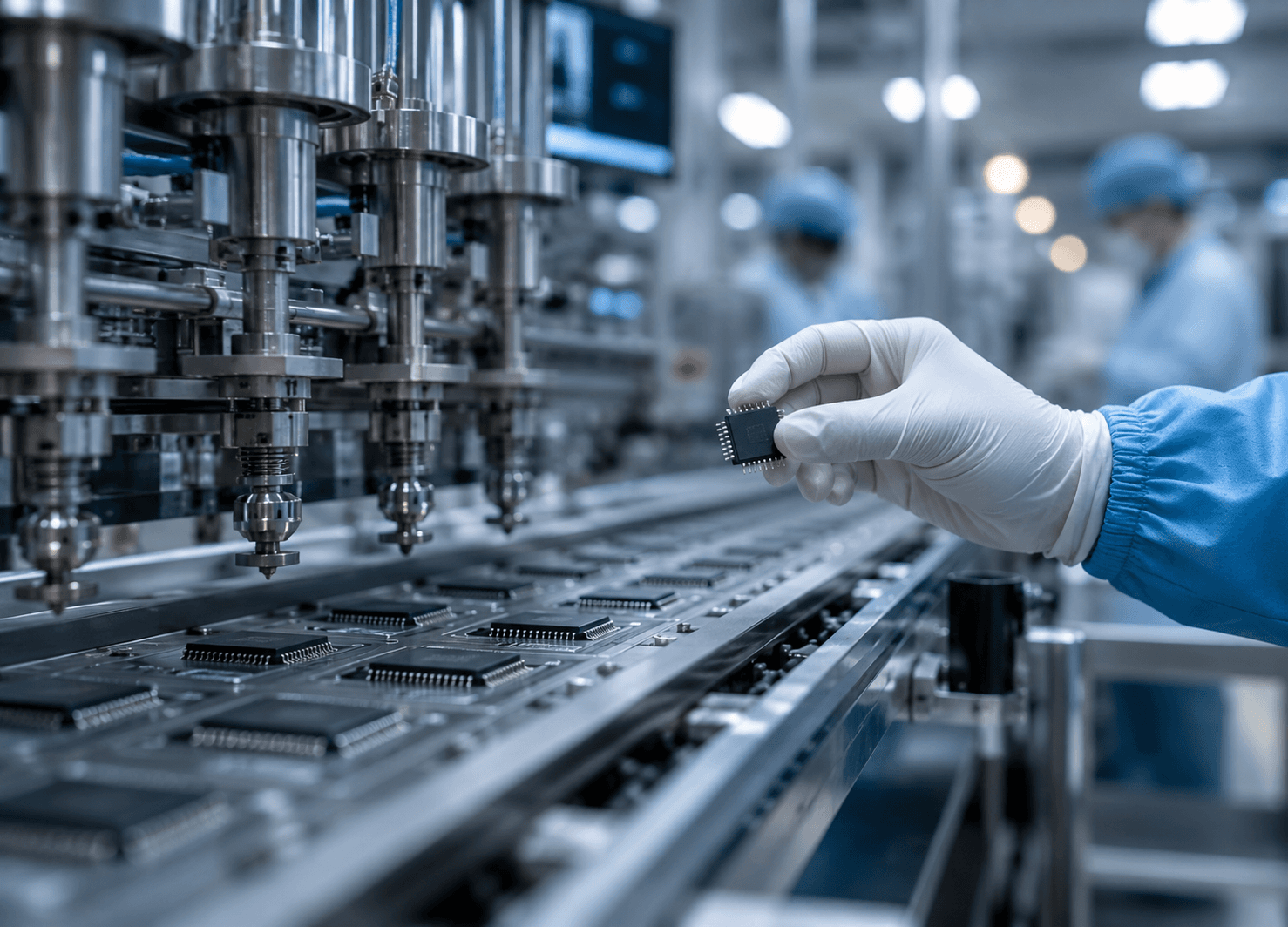
Vietnam has rapidly transformed from an agriculture-based economy into one of Asia's most important manufacturing hubs. As global companies diversify supply chains beyond China, Vietnam is attracting billions in foreign investment across electronics, textiles, automobiles, and high-tech industries. This article explores the key factors driving Vietnam's manufacturing boom and why the country is becoming a major force in the global economy.
Introduction: Vietnam's Remarkable Economic Transformation
Over the past two decades, Vietnam has undergone one of the most impressive economic transformations in modern history. Once known primarily for agriculture and low-cost textile production, the country has evolved into a global manufacturing powerhouse that is attracting some of the world's biggest corporations.
From Samsung and Apple suppliers to Nike, Adidas, Intel, LG, and Foxconn, multinational companies are increasingly investing in Vietnam. The country's industrial parks are expanding rapidly, exports continue to break records, and foreign direct investment (FDI) remains strong despite global economic uncertainty.
As businesses around the world rethink their supply chains, Vietnam has emerged as one of the biggest beneficiaries of this shift. Many analysts now view Vietnam as one of Asia's most important manufacturing destinations outside China.
But what exactly is driving Vietnam's rise?
Let's explore the factors behind the country's manufacturing boom and why it is becoming one of the most important economies in Southeast Asia.
The Rise of the "China Plus One" Strategy
One of the biggest reasons for Vietnam's growth is the global adoption of the China Plus One Strategy.
For decades, China dominated global manufacturing. However, rising labor costs, geopolitical tensions, trade disputes, and supply chain disruptions encouraged companies to diversify production into other countries.
Rather than relying solely on China, many corporations now maintain operations in China while expanding into alternative locations.
Vietnam quickly became one of the most attractive destinations because it offers:
- Competitive labor costs
- Political stability
- Strong export infrastructure
- Favorable trade agreements
- Strategic geographic location
As a result, Vietnam has attracted billions of dollars in manufacturing investments that might previously have gone exclusively to China.
Strategic Location in Southeast Asia
Geography has played a major role in Vietnam's success.
Located along major international shipping routes, Vietnam provides easy access to key markets across Asia, Europe, and North America.
The country shares a border with China, allowing manufacturers to remain connected to existing supply chains while reducing production risks.
Major ports such as:
- Hai Phong
- Da Nang
- Ho Chi Minh City
have become critical gateways for global trade.
This strategic position allows companies to move goods efficiently while maintaining close proximity to suppliers and customers.
Competitive Labor Costs
Another major advantage is Vietnam's workforce.
Although wages have gradually increased, labor costs remain significantly lower than those in many developed economies and often lower than some manufacturing regions in China.
This cost advantage is particularly attractive for industries such as:
Textiles and Apparel
Vietnam has become one of the world's largest exporters of clothing and footwear.
Electronics Assembly
Major technology companies operate large facilities throughout the country.
Furniture Manufacturing
Vietnam is now one of the leading furniture exporters globally.
Consumer Goods
Factories produce everything from household products to industrial equipment.
For businesses looking to reduce costs while maintaining production quality, Vietnam offers a compelling balance.
Massive Foreign Direct Investment (FDI)
Foreign direct investment has fueled Vietnam's industrial growth.
International corporations continue to invest heavily in factories, logistics centers, industrial parks, and technology facilities.
Some of the largest investors include:
Samsung
Samsung has invested billions of dollars in Vietnam and produces a significant percentage of its smartphones there.
LG
The South Korean electronics giant operates major manufacturing facilities across the country.
Intel
Intel has expanded semiconductor-related operations in Vietnam, helping develop the country's technology sector.
Foxconn
Known as a major Apple supplier, Foxconn continues to increase production capacity in Vietnam.
Nike and Adidas
Many products from these global brands are manufactured in Vietnamese factories.
These investments create jobs, improve infrastructure, and transfer valuable technical knowledge to local industries.
Expanding Electronics Manufacturing Sector
Vietnam is no longer just a low-cost manufacturing destination.
The country is increasingly moving into higher-value industries, particularly electronics.
Today Vietnam plays an important role in producing:
- Smartphones
- Computer components
- Consumer electronics
- Telecommunications equipment
- Semiconductor-related products
Electronics exports now account for a significant share of the country's total exports.
This transition toward advanced manufacturing is helping Vietnam climb the global value chain and become more competitive internationally.
Strong Government Support for Industry
Vietnam's government has actively supported industrial development.
Policies encouraging foreign investment include:
- Tax incentives
- Industrial zone development
- Export promotion programs
- Infrastructure investment
- Simplified business regulations
Government officials recognize manufacturing as a key driver of economic growth and continue implementing policies designed to attract international companies.
This long-term commitment has created confidence among investors.
Trade Agreements Strengthening Vietnam's Position
Vietnam has signed numerous trade agreements that give manufacturers access to global markets.
Important agreements include:
CPTPP
Comprehensive and Progressive Agreement for Trans-Pacific Partnership.
EVFTA
European Union–Vietnam Free Trade Agreement.
RCEP
Regional Comprehensive Economic Partnership.
These agreements reduce tariffs and improve market access, making Vietnam an attractive export base.
Manufacturers operating in Vietnam can often export products more competitively than companies located in countries without similar trade benefits.
Infrastructure Development Accelerating Growth
A strong manufacturing sector requires strong infrastructure.
Vietnam has invested heavily in:
- Highways
- Airports
- Deep-water ports
- Industrial parks
- Logistics networks
- Energy projects
Major transportation projects continue to improve connectivity between manufacturing centers and export facilities.
As infrastructure improves, businesses can move goods faster and reduce operational costs.
This creates an even stronger competitive advantage.
Skilled and Young Workforce
Vietnam benefits from a relatively young population.
The workforce is increasingly educated and adaptable to modern manufacturing requirements.
Universities and vocational training programs are producing graduates in fields such as:
- Engineering
- Information technology
- Electronics
- Industrial management
- Automation
As manufacturing becomes more technologically advanced, access to skilled workers will become even more important.
Vietnam's investment in education positions the country well for future growth.
Vietnam's Growing Role in Global Technology Supply Chains
Technology manufacturing is becoming one of Vietnam's most important industries.
As demand grows for:
- Artificial Intelligence hardware
- Smartphones
- Data center equipment
- Consumer electronics
- Semiconductor components
Vietnam is gaining greater importance within global supply chains.
Several technology companies are expanding production facilities in the country to reduce concentration risks and improve supply chain resilience.
This trend is expected to continue throughout the decade.
Challenges Vietnam Still Faces
Despite impressive progress, Vietnam faces several challenges.
Infrastructure Gaps
Although improving, some regions still require better transportation and logistics infrastructure.
Energy Demand
Rapid industrial growth is increasing pressure on the country's energy system.
Labor Competition
As more companies enter Vietnam, competition for skilled workers is increasing.
Global Economic Uncertainty
Changes in international trade, economic slowdowns, or geopolitical tensions could impact export demand.
Addressing these challenges will be important for sustaining long-term growth.
Future Outlook: Can Vietnam Become Asia's Next Manufacturing Superpower?
Many economists believe Vietnam's manufacturing story is only beginning.
Several trends support continued growth:
- Ongoing foreign investment
- Supply chain diversification
- Expanding electronics production
- Growing exports
- Infrastructure improvements
- Rising technology adoption
While Vietnam may not replace China entirely, it is increasingly becoming one of the most important manufacturing centers in Asia.
The country's ability to combine competitive costs, strategic location, strong trade relationships, and government support gives it a significant advantage in attracting global businesses.
If current trends continue, Vietnam could emerge as one of the defining economic success stories of the 21st century.
Key Takeaways
- Vietnam has become one of Asia's fastest-growing manufacturing hubs.
- Global companies are expanding operations due to the China Plus One strategy.
- Strong foreign investment continues to drive industrial growth.
- Electronics manufacturing is becoming a major economic pillar.
- Trade agreements provide access to international markets.
- Infrastructure and workforce development support long-term expansion.
- Vietnam is expected to play an increasingly important role in global supply chains.
Recommendations
For investors and businesses watching global manufacturing trends, Vietnam deserves close attention. Companies seeking supply chain diversification should evaluate Vietnam's expanding industrial ecosystem. Investors may also find opportunities in logistics, industrial real estate, renewable energy, technology manufacturing, and export-oriented industries that support the country's ongoing growth.
Frequently Asked Questions (FAQ)
Why are companies moving manufacturing to Vietnam?
Companies are diversifying supply chains, reducing dependence on a single country, lowering costs, and taking advantage of Vietnam's favorable trade agreements.
What products are manufactured in Vietnam?
Vietnam produces electronics, smartphones, textiles, footwear, furniture, machinery, and consumer goods.
Is Vietnam replacing China in manufacturing?
Vietnam is not replacing China entirely, but it is becoming a major alternative manufacturing destination as companies diversify operations.
Which companies manufacture products in Vietnam?
Samsung, LG, Intel, Foxconn, Nike, Adidas, and many Apple suppliers operate manufacturing facilities in Vietnam.
What makes Vietnam attractive to investors?
Competitive labor costs, strategic location, political stability, trade agreements, and government support make Vietnam attractive to investors.
Related Social Media Posts
X (Twitter)
Vietnam is rapidly becoming one of Asia's manufacturing giants. From electronics and smartphones to textiles and exports, global companies are investing billions as supply chains diversify beyond China. #Vietnam #Manufacturing #GlobalTrade
Why is Vietnam attracting some of the world's biggest companies? Discover how foreign investment, trade agreements, and a skilled workforce are transforming Vietnam into a global manufacturing powerhouse.
Vietnam's rise as a manufacturing hub highlights a major shift in global supply chains. Strategic location, growing infrastructure, and expanding electronics production are positioning the country as a key player in international trade and industrial development.
Instagram Caption
Vietnam's manufacturing boom is reshaping Asia's economic landscape. From tech giants to global fashion brands, businesses are investing heavily in the country's future.#VietnamEconomy #Manufacturing #BusinessNews #GlobalTrade #AsiaGrowth
Reader discussion
Join the conversation
Share your thoughts on this article. Comments are stored in MongoDB and appear instantly below.