Why Some Countries Are Losing Population in 2026
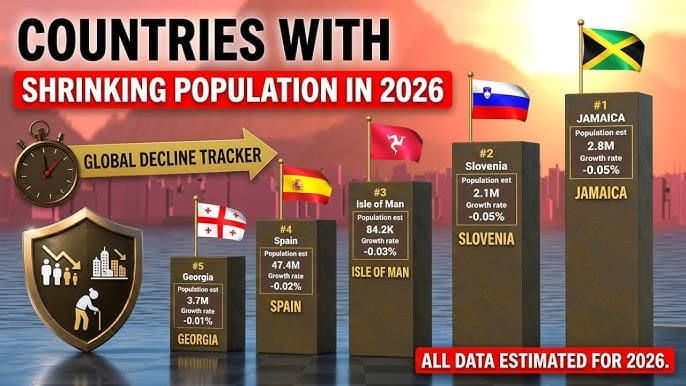
Learn why some countries are losing population in 2026. This comprehensive guide explains the causes of population decline, affected countries, economic impacts, immigration, government responses, and future demographic trends shaping the global workforce.
Introduction
Population growth has long been considered a sign of economic strength, but in recent years, several countries have experienced the opposite trend. In 2026, many nations are facing population decline due to falling birth rates, aging populations, emigration, economic challenges, and changing lifestyles.
Countries such as Japan, South Korea, Italy, Bulgaria, Latvia, Lithuania, and parts of Eastern Europe continue to lose population each year. This demographic shift is creating major challenges for governments, businesses, healthcare systems, and labor markets.
In this guide, we'll explain why some countries are losing population in 2026, explore the main causes, identify the countries most affected, and examine what these changes could mean for the global economy and future migration.
What Does Population Decline Mean?
Population decline occurs when the number of people living in a country decreases over time.
This usually happens when:
- More people die than are born.
- Large numbers of people move abroad.
- Immigration is too low to offset population losses.
- Birth rates remain below replacement levels for many years.
Long-term population decline can affect economic growth, public services, and workforce availability.
Why Population Is Declining in Some Countries
Several factors are contributing to shrinking populations around the world.
Major reasons include:
- Low birth rates
- Aging populations
- High cost of living
- Delayed marriage
- Smaller families
- Youth migration
- Economic uncertainty
- Better opportunities abroad
These trends often reinforce one another, making population recovery more difficult.
1. Falling Birth Rates
One of the biggest reasons for population decline is the steady decrease in birth rates.
Many families now choose to have:
- One child
- No children
- Children later in life
Common reasons include:
- Rising living costs
- Expensive housing
- Career priorities
- Education costs
- Childcare expenses
Many developed countries now have birth rates below the replacement level needed to maintain population size.
2. Aging Population
People are living longer thanks to improvements in healthcare.
While this is positive, it also means:
- More retirees
- Fewer working-age adults
- Higher healthcare costs
- Greater pressure on pension systems
Countries with rapidly aging populations often struggle to maintain economic growth without immigration.
3. Young People Moving Abroad
Many young professionals leave their home countries to seek:
- Better salaries
- Career opportunities
- Higher education
- Improved quality of life
- Political stability
This "brain drain" reduces the number of skilled workers and future parents in the country they leave behind.
4. High Cost of Living
Housing prices, childcare costs, education expenses, and inflation make raising a family more expensive.
In many countries, young adults delay:
- Marriage
- Home ownership
- Starting a family
As a result, national birth rates continue to decline.
5. Economic Uncertainty
Periods of economic instability often influence family planning.
Factors include:
- Job insecurity
- Slow wage growth
- Inflation
- High debt levels
- Rising household expenses
People may postpone having children until they feel more financially secure.
Countries Experiencing Population Decline
Several countries are projected to continue losing population in 2026.
Examples include:
Japan 🇯🇵
Challenges:
- Very low birth rate
- Aging society
- Labor shortages
South Korea 🇰🇷
Key issues:
- World's lowest fertility rates
- High housing costs
- Delayed marriage
Italy 🇮🇹
Reasons:
- Aging population
- Low fertility
- Youth emigration
Bulgaria 🇧🇬
Population decline is influenced by:
- Emigration
- Low birth rate
- Aging population
Latvia 🇱🇻
Main factors:
- Migration
- Declining birth rate
- Aging society
Lithuania 🇱🇹
Challenges include:
- Population aging
- Skilled worker migration
- Fewer births
Romania 🇷🇴
Contributing factors:
- Migration to Western Europe
- Economic opportunities abroad
- Low fertility
Croatia 🇭🇷
Reasons:
- Youth emigration
- Aging population
- Smaller families
Economic Effects of Population Decline
A shrinking population can create several economic challenges.
These include:
- Labor shortages
- Slower economic growth
- Increased pension costs
- Reduced consumer spending
- Higher healthcare expenditure
- Lower tax revenue
Governments often need to adjust policies to maintain economic stability.
Industries Most Affected
Population decline impacts many sectors.
Industries facing challenges include:
- Healthcare
- Manufacturing
- Agriculture
- Construction
- Education
- Retail
- Transportation
Many employers respond by investing in automation or recruiting international workers.
Expert Insight
Expert Insight: Population decline is not simply about fewer births—it reflects broader social and economic changes. Countries experiencing shrinking populations often respond by encouraging skilled immigration, expanding family support programs, improving childcare access, and investing in automation to address workforce shortages. Understanding these demographic trends can help professionals identify future employment opportunities in countries actively seeking international talent.
➡️ Continue with Part 2, where we'll cover:
- Countries with growing populations
- Government solutions
- Immigration's role in population growth
- Future global trends
- Frequently Asked Questions (FAQs)
- Final Thoughts
- SEO Meta Title
- Meta Description
- URL Slug
- Focus Keyword
- SEO Keywords
- Excerpt
- Image Alt Text
- Image Caption
- Image Description
- Internal linking suggestions
Countries with Growing Populations
While several nations are experiencing population decline, others continue to grow due to higher birth rates, immigration, or strong economic opportunities.
Examples include:
India 🇮🇳
Growth Factors:
- Large young population
- Higher birth rates than many developed countries
- Expanding workforce
- Rapid urbanization
Canada 🇨🇦
Population Growth Driven By:
- High immigration targets
- Skilled worker programs
- Family sponsorship
- International students transitioning to permanent residency
Canada continues to rely on immigration to support its labor market and economic growth.
Australia 🇦🇺
Australia's population growth is supported by:
- Skilled migration
- Student migration
- Family reunification programs
- Strong employment opportunities
United States 🇺🇸
Although birth rates have slowed, population growth continues due to:
- Immigration
- Diverse workforce
- Strong economy
- Higher international migration compared to many developed countries
United Arab Emirates (UAE) 🇦🇪
The UAE's population continues to expand because of:
- Large expatriate workforce
- Business opportunities
- Tax-friendly environment
- Infrastructure development
How Governments Are Responding
Countries experiencing population decline are introducing policies to encourage population growth and reduce labor shortages.
Common strategies include:
Financial Support for Families
Governments may offer:
- Child allowances
- Birth grants
- Tax benefits
- Housing assistance
- Childcare subsidies
These incentives aim to reduce the financial burden of raising children.
Affordable Childcare
Many countries are increasing access to affordable childcare to help parents balance work and family life.
Benefits include:
- Lower childcare costs
- Longer parental leave
- Flexible work arrangements
- Family support services
Immigration Programs
One of the fastest ways to address labor shortages is by attracting skilled workers from abroad.
Many countries have expanded:
- Skilled migration programs
- Employer sponsorship
- Permanent residency pathways
- Regional migration initiatives
Countries such as Australia, Canada, and New Zealand actively use immigration to strengthen their workforce.
Encouraging Young Families
Governments are introducing policies to make family life more affordable.
Examples include:
- First-home buyer support
- Education assistance
- Childcare funding
- Improved healthcare services
The goal is to encourage higher birth rates over the long term.
The Role of Immigration
Immigration has become a key solution for countries with shrinking populations.
Benefits include:
- Filling labor shortages
- Supporting economic growth
- Increasing tax revenue
- Bringing new skills and innovation
- Supporting healthcare and education systems
- Balancing aging populations
Many developed countries now compete to attract qualified international professionals.
Future Global Population Trends
Experts expect several demographic trends to continue over the coming decades.
These include:
- Lower fertility rates in many developed countries
- Longer life expectancy
- Increased urbanization
- Greater demand for skilled migration
- Rising automation in industries facing labor shortages
- Growing competition for international talent
Countries that successfully adapt to these changes may be better positioned for long-term economic growth.
How Population Decline Affects Workers
Population decline creates both challenges and opportunities.
Potential challenges include:
- Higher tax pressure to support aging populations
- Increased demand for healthcare services
- Labor shortages in essential industries
Potential opportunities include:
- Higher demand for skilled professionals
- Better salaries in shortage occupations
- Faster career progression
- Increased employer sponsorship opportunities
- Expanded immigration pathways
For qualified workers, demographic changes may open new international career opportunities.
Which Industries Will Need More Workers?
As populations age and workforces shrink, demand is expected to increase in sectors such as:
- Healthcare
- Nursing
- Elder Care
- Information Technology
- Artificial Intelligence
- Construction
- Engineering
- Renewable Energy
- Agriculture
- Logistics
- Education
These industries are likely to remain important for skilled migration programs in many developed countries.
Expert Insight
Expert Insight: Population decline is reshaping global labor markets. Countries with aging populations increasingly rely on skilled immigration, technology, and workforce reforms to sustain economic growth. For professionals considering international careers, understanding these demographic trends can help identify countries where demand for skilled workers—and opportunities for employer sponsorship or permanent residency—is likely to remain strong over the coming years.
Frequently Asked Questions (FAQs)
Why are some countries losing population?
Population decline is mainly caused by low birth rates, aging populations, emigration, high living costs, and economic uncertainty.
Which country has the fastest population decline?
The pace of population decline varies by year, but countries such as Japan, South Korea, Bulgaria, Latvia, and Lithuania have experienced significant long-term declines due to low fertility rates and aging populations.
Can immigration stop population decline?
Immigration can help offset population losses and address labor shortages, but it may not completely reverse long-term demographic trends if birth rates remain low.
How does population decline affect the economy?
A shrinking population can lead to labor shortages, slower economic growth, increased healthcare and pension costs, and reduced tax revenue.
Which countries are attracting skilled migrants?
Countries such as Australia, Canada, New Zealand, Germany, and the United Kingdom continue to attract skilled migrants through various work visa and immigration programs.
Will population decline continue after 2026?
Many demographic experts expect population decline to continue in several developed countries unless birth rates rise significantly or immigration levels increase enough to offset natural population losses.
Final Thoughts
Population decline is becoming one of the most important demographic challenges of the 21st century. While lower birth rates, aging populations, and migration patterns are reducing the population of several countries, these changes are also creating new opportunities for skilled workers, employers, and policymakers.
Governments are responding with family support programs, immigration reforms, and investments in automation to maintain economic growth and address workforce shortages. For professionals planning to work abroad, understanding these trends can help identify countries where demand for skilled talent is likely to remain high in the years ahead.
Sources & References
This guide is based on publicly available information from:
- United Nations Department of Economic and Social Affairs (UN DESA)
- World Bank
- OECD
- International Labour Organization (ILO)
- International Organization for Migration (IOM)
- National statistical agencies of various countries
Disclaimer: Population estimates and demographic projections are updated regularly as new data becomes available. Always refer to official government statistics and international organizations for the latest population figures and policy changes.
Reader discussion
Join the conversation
Share your thoughts on this article. Comments are stored in MongoDB and appear instantly below.