Immigration Policy Changes and Their Impact on American Communities
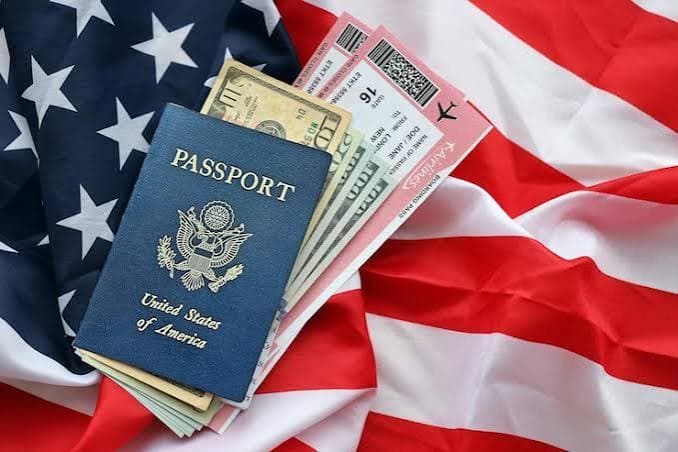
Recent immigration policy changes in the United States are reshaping communities, businesses, schools, and local economies. Explore the economic, social, and political impacts of immigration reform in 2026.
Immigration Policy Changes and Their Impact on American Communities: What’s Really Changing in 2026?
Introduction
Few topics spark as much debate in the United States as immigration.
For some Americans, stronger immigration enforcement is seen as a necessary step to secure the border, protect jobs, and uphold the rule of law. For others, immigration represents one of the country's greatest strengths—a source of economic growth, cultural diversity, and innovation.
In 2026, immigration policy once again sits at the center of national conversation. New enforcement measures, changes to asylum procedures, visa processing updates, and border security initiatives have affected millions of people across the country. But while headlines often focus on Washington politics, the real impact is happening elsewhere—in small towns, major cities, schools, hospitals, restaurants, farms, and local businesses.
The immigration debate is no longer just about who enters the country. It is about how communities function, how businesses hire workers, how families stay together, and what kind of future America wants to build.
This article explores the latest immigration policy changes, their impact on everyday Americans, and why communities across the country are paying close attention.
Why Immigration Matters More Than Many People Realize
When people hear the word "immigration," they often think about border crossings or political speeches.
The reality is much broader.
Immigrants play a role in nearly every sector of the American economy. They work as doctors, nurses, engineers, construction workers, farm laborers, restaurant employees, teachers, entrepreneurs, and technology specialists.
According to multiple economic studies conducted over the past decade, immigrant workers have become essential in industries experiencing labor shortages.
That means immigration policies don't just affect immigrants.
They affect:
- Employers
- Consumers
- Students
- Patients
- Homebuyers
- Local governments
In many communities, the effects can be felt almost immediately.
The Major Immigration Changes Americans Are Seeing in 2026
Recent immigration policy changes have focused on several key areas:
Stronger Border Enforcement
Federal authorities have increased border security operations, surveillance technology, and enforcement resources.
Supporters argue that these measures help reduce illegal crossings and improve national security.
Critics argue that focusing heavily on enforcement does not address deeper issues driving migration.
Changes to Asylum Procedures
Asylum seekers are facing stricter screening processes and longer legal hurdles in some cases.
Supporters say the changes prevent abuse of the system.
Opponents argue they make it harder for vulnerable individuals fleeing violence and persecution to seek protection.
Increased Deportation Efforts
Immigration enforcement agencies have expanded efforts targeting individuals without legal status.
This has generated support among those who favor stricter enforcement while also creating anxiety in some immigrant communities.
Visa and Immigration Processing Updates
Several categories of immigration applications have experienced policy adjustments affecting processing requirements and eligibility.
For employers and families, delays and uncertainty can have significant consequences.
The Economic Impact on American Communities
One of the biggest questions surrounding immigration is simple:
What happens to the economy when immigration slows down?
The answer varies depending on where you live.
Small Businesses Are Feeling the Pressure
Across America, many small business owners report difficulty finding workers.
Industries most affected include:
- Restaurants
- Hospitality
- Agriculture
- Construction
- Manufacturing
Take a family-owned restaurant in Texas.
If experienced kitchen staff suddenly become unavailable, the business may struggle to maintain service levels.
The result?
- Longer wait times
- Higher operating costs
- Increased menu prices
Eventually, consumers feel the impact.
Farmers Face Labor Challenges
Agriculture has long depended on immigrant labor.
From harvesting fruits and vegetables to maintaining large farming operations, many farms rely on seasonal workers.
When labor becomes scarce, farmers often face difficult choices:
- Reduce production
- Raise prices
- Leave crops unharvested
This can contribute to higher grocery prices nationwide.
For many rural communities, immigration policy is not an abstract political issue.
It's an economic issue.
Housing and Construction
America continues to face a housing shortage.
Construction companies need workers to build homes, apartments, roads, and infrastructure.
Many construction firms have warned that labor shortages can delay projects and increase costs.
That means immigration policy can indirectly affect housing affordability.
The Human Side of Immigration
Statistics tell one part of the story.
People tell the rest.
Behind every immigration policy debate are real families trying to build stable lives.
For mixed-status families—where some members are citizens and others are not—policy changes often create uncertainty.
Parents worry about:
- Deportation risks
- Legal status changes
- Future opportunities for children
Children worry about:
- Family separation
- School disruptions
- Financial hardship
Community organizations across the country have reported increased demand for legal assistance and family support services.
Whether someone supports or opposes current policies, it is impossible to ignore the emotional impact immigration decisions can have on families.
How Schools Are Being Affected
Teachers are often among the first to notice changes within communities.
When immigration concerns rise, educators frequently report:
- Increased student stress
- Attendance issues
- Emotional challenges
- Greater demand for counseling services
Many schools have expanded support programs to help students dealing with uncertainty at home.
At the same time, areas experiencing lower immigration rates may see declining enrollment numbers, which can affect school funding.
Education leaders increasingly view immigration policy as an issue that extends far beyond politics.
Healthcare Systems Are Facing New Pressures
Hospitals and healthcare providers are also watching immigration developments closely.
In some communities, immigrants represent a significant portion of healthcare workers.
They serve as:
- Doctors
- Nurses
- Caregivers
- Home health aides
- Medical technicians
At the same time, changes affecting healthcare access can increase pressure on emergency services.
Healthcare professionals warn that when people delay treatment because of legal or financial concerns, medical conditions often become more serious and more expensive to treat later.
Public Safety: Two Very Different Perspectives
Few aspects of immigration generate more disagreement than public safety.
Supporters of Stricter Enforcement Say:
- Secure borders reduce illegal activity.
- Immigration laws should be enforced consistently.
- Strong enforcement discourages criminal networks.
Critics Say:
- Most immigrants are law-abiding.
- Fear of deportation can discourage crime reporting.
- Community trust is essential for effective policing.
The debate highlights one of the biggest challenges facing policymakers: balancing enforcement with community relationships.
What Business Leaders Are Saying
Business groups across various industries have increasingly discussed immigration's role in workforce development.
Many employers argue that legal immigration pathways are important for addressing labor shortages.
Others believe immigration reform should focus first on stronger border controls before expanding worker programs.
The disagreement reflects the broader national conversation.
Even within the business community, opinions vary widely.
Social Media Reactions: What People Are Posting Online
Immigration remains one of the most discussed topics on social media platforms.
Here are examples of public statements and positions that have generated significant attention online:
President Donald Trump
On social media and campaign appearances, Trump has repeatedly emphasized stronger border security, arguing that immigration enforcement is necessary to protect American workers and national security.
One recurring message from Trump has been:
"We need a strong border and we need laws that are enforced."
His supporters frequently share posts highlighting reductions in illegal crossings and enforcement efforts.
Elon Musk
Elon Musk has posted multiple times about immigration, often arguing for a balance between border security and legal immigration pathways.
One of his widely discussed positions has been that:
"A country must know who is entering and leaving."
His comments regularly generate millions of views and thousands of reactions.
Governor Gavin Newsom
Gavin Newsom has criticized some federal immigration policies, arguing that immigrant communities contribute significantly to America's economy and culture.
His posts frequently emphasize protecting immigrant families and expanding legal pathways.
Public Reactions on X and Reddit
Scrolling through X or Reddit reveals how divided Americans remain.
Some users write:
"Every country needs secure borders."
Others respond:
"America's economy depends on immigrants."
The debate shows no sign of slowing down.
Why This Issue Will Shape America's Future
Immigration policy affects more than today's headlines.
It influences:
- Economic growth
- Population trends
- Workforce development
- Housing markets
- Education systems
- Healthcare services
America's population is aging.
Many economists believe immigration will remain an important factor in maintaining workforce growth over the coming decades.
The challenge for policymakers is finding a balance that addresses:
- Security concerns
- Economic needs
- Humanitarian responsibilities
- Long-term demographic realities
How that balance is achieved may help define America's future.
Final Thoughts
Immigration policy changes are often discussed in terms of politics, elections, and government decisions.
But for millions of Americans, the issue is much more personal.
It affects the restaurant owner struggling to hire workers.
The farmer worried about labor shortages.
The teacher supporting anxious students.
The nurse caring for patients.
The family hoping to stay together.
Whether one supports stricter enforcement or expanded immigration pathways, there is little doubt that immigration policy touches nearly every corner of American life.
As debates continue throughout 2026, communities across the country will continue experiencing the real-world consequences of decisions made far from their neighborhoods.
The conversation is unlikely to end anytime soon—and its outcome may shape America for generations.
Frequently Asked Questions (FAQ)
1. Why is immigration policy such a major issue in the United States?
Immigration affects border security, economic growth, workforce availability, public services, and national demographics, making it one of the country's most important policy issues.
2. How do immigration policies affect local communities?
They influence schools, healthcare systems, businesses, housing markets, and labor availability within local communities.
3. Do immigrants help the U.S. economy?
Many economists believe immigrants contribute significantly through employment, entrepreneurship, innovation, and consumer spending.
4. Why do some Americans support stricter immigration policies?
Supporters often cite border security, law enforcement, national sovereignty, and job protection as primary reasons.
5. Why do others oppose stricter immigration policies?
Critics often argue that immigrants contribute positively to society and that restrictive policies can harm families and local economies.
6. Which industries rely most heavily on immigrant workers?
Agriculture, hospitality, construction, healthcare, manufacturing, and technology are among the industries that frequently depend on immigrant labor.
7. How does immigration affect housing?
Labor shortages in construction can impact housing supply, potentially influencing home prices and rental costs.
8. Will immigration continue to be a major political issue?
Yes. Immigration is expected to remain one of the defining political and economic issues in the United States for years to come.
Reader discussion
Join the conversation
Share your thoughts on this article. Comments are stored in MongoDB and appear instantly below.