How Asian Countries Are Winning the Global EV Race: The Rise of China, South Korea, Japan, and Emerging Markets
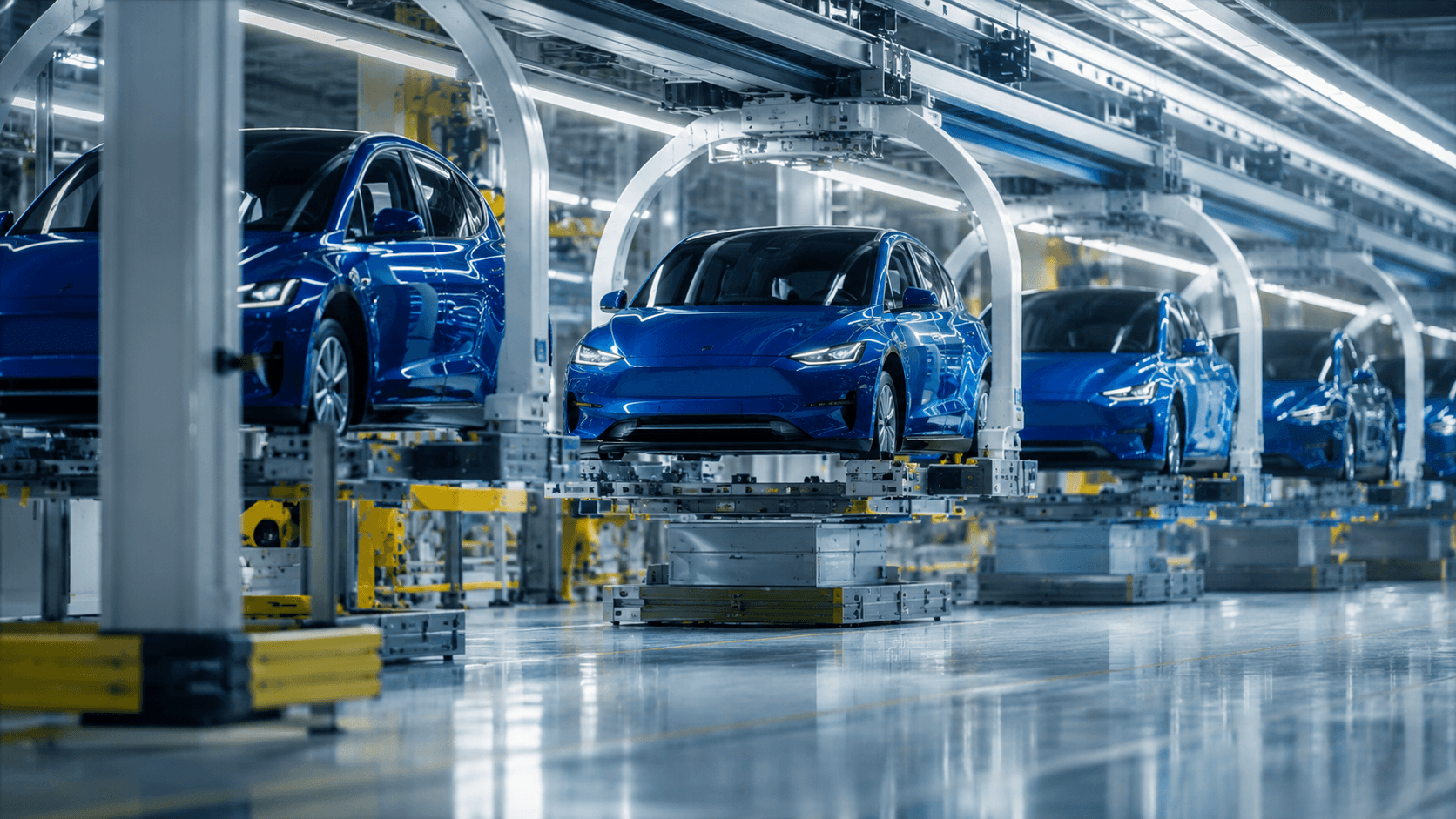
Asian countries are leading the global electric vehicle (EV) revolution through innovation, battery manufacturing, government incentives, and large-scale infrastructure investments. Discover how China, South Korea, Japan, and emerging Asian markets are shaping the future of transportation and dominating the global EV race.
Introduction: The Center of the EV Revolution Has Shifted to Asia
The global automotive industry is experiencing one of the biggest transformations in its history. Electric vehicles (EVs), once considered a niche technology, have become a central part of transportation strategies worldwide. Governments are setting ambitious emissions targets, consumers are increasingly choosing electric cars, and automakers are investing billions of dollars into EV development.
While Europe and North America continue expanding their electric vehicle markets, Asia has emerged as the undeniable leader of the global EV revolution. From China's massive manufacturing ecosystem to South Korea's advanced battery technology and Japan's decades-long experience in vehicle innovation, Asian nations are driving the future of mobility.
Today, many of the world's largest EV manufacturers, battery producers, and supply chain companies are based in Asia. The region controls significant portions of battery production, mineral processing, vehicle assembly, and charging infrastructure development.
This leadership position is not accidental. It is the result of strategic government policies, long-term investments, technological innovation, and strong domestic demand.
Let's explore how Asian countries are winning the global EV race and why the future of electric mobility increasingly depends on Asia.
Why the EV Market Is Growing So Fast
Several global trends are accelerating EV adoption:
- Rising fuel prices
- Climate change concerns
- Government emissions regulations
- Falling battery costs
- Improved charging infrastructure
- Better vehicle performance and range
According to industry estimates, global EV sales continue to break records each year, with Asia accounting for the majority of total electric vehicle purchases and production.
The region has become both the world's largest EV marketplace and its manufacturing powerhouse.
China: The Undisputed King of Electric Vehicles
No discussion about electric vehicles is complete without China.
China has become the world's largest EV market by a significant margin. Millions of electric vehicles are sold annually within the country, making it the dominant force in global EV adoption.
Massive Government Support
China's success began with long-term planning.
For more than a decade, Chinese authorities have supported EV development through:
- Purchase subsidies
- Tax incentives
- Manufacturing grants
- Research funding
- Charging infrastructure investments
These policies encouraged both companies and consumers to embrace electric transportation.
Leading EV Manufacturers
China is home to some of the world's fastest-growing EV brands, including:
BYD
BYD has become one of the largest EV manufacturers globally and is competing directly with major international automakers.
NIO
Known for premium electric vehicles and battery-swapping technology.
XPeng
Focused on smart EVs with advanced autonomous driving capabilities.
Li Auto
Popular for its innovative hybrid-electric solutions.
These companies are expanding internationally and challenging traditional automotive giants.
China's Battery Dominance
The battery is the most important component of an electric vehicle.
China dominates battery manufacturing through companies such as:
- CATL
- BYD Battery
- CALB
- Gotion High-Tech
CATL alone supplies batteries to numerous global automakers.
China also controls large portions of the battery supply chain, including:
- Lithium processing
- Cobalt refining
- Graphite production
- Battery component manufacturing
This gives Chinese companies a significant competitive advantage.
South Korea: The Battery Technology Leader
While China dominates EV production, South Korea has established itself as one of the world's most important battery technology centers.
South Korean companies supply batteries for vehicles produced across Europe, North America, and Asia.
Major Battery Giants
LG Energy Solution
One of the world's largest battery manufacturers and a supplier to several international car brands.
Samsung SDI
Known for advanced battery research and high-performance energy storage systems.
SK On
A rapidly growing battery company investing heavily in global production facilities.
Together, these companies have helped South Korea become a crucial player in the EV ecosystem.
Hyundai and Kia's Global EV Success
South Korea's automotive industry is also thriving.
Hyundai and Kia have gained international recognition for producing some of the most competitive electric vehicles available today.
Popular models include:
- Hyundai IONIQ 5
- Hyundai IONIQ 6
- Kia EV6
- Kia EV9
These vehicles have received praise for:
- Long driving range
- Fast charging capabilities
- Modern design
- Advanced software systems
Their success demonstrates South Korea's ability to compete with both traditional automakers and newer EV startups.
Japan's Unique EV Strategy
Japan has long been known as a global automotive leader.
Companies such as Toyota, Honda, Nissan, and Mitsubishi helped shape the modern automobile industry.
Although Japan was initially slower to embrace fully electric vehicles, it remains a major force in the transition to sustainable transportation.
Nissan's Early Leadership
The Nissan Leaf was one of the world's first mass-market electric vehicles.
It helped demonstrate that EVs could be practical, reliable, and affordable for everyday consumers.
Millions of drivers worldwide became familiar with electric mobility through Nissan's pioneering efforts.
Toyota's Long-Term Vision
Toyota has historically focused on hybrid technology through the success of the Prius.
Today, the company is investing heavily in:
- Battery electric vehicles
- Hydrogen fuel-cell technology
- Solid-state batteries
- Sustainable manufacturing
Toyota's research into next-generation battery technology could significantly influence the future EV market.
The Solid-State Battery Race
Many experts believe solid-state batteries represent the next major breakthrough in electric vehicles.
Potential advantages include:
- Faster charging
- Longer driving range
- Improved safety
- Higher energy density
Japanese companies are among the global leaders in this field, positioning Japan for future EV competitiveness.
Southeast Asia Is Emerging as a New EV Hub
Beyond China, Japan, and South Korea, several Southeast Asian nations are becoming important players in the EV industry.
Thailand
Thailand aims to become a major EV manufacturing center.
The country has introduced incentives for:
- EV production
- Battery manufacturing
- Foreign investment
Several global automakers have announced new facilities in Thailand.
Indonesia
Indonesia possesses significant nickel reserves.
Nickel is a critical component in many EV batteries.
The government is leveraging these resources to attract investment from battery manufacturers and EV producers.
Vietnam
Vietnam's VinFast has emerged as one of the region's most ambitious EV companies.
The company is expanding internationally and investing heavily in electric vehicle production.
Asia's Advantage in the EV Supply Chain
One reason Asia leads the EV race is its control over supply chains.
Electric vehicles require:
- Batteries
- Semiconductors
- Rare earth materials
- Electronic components
Many of these resources and manufacturing capabilities are concentrated in Asia.
This allows companies to:
- Reduce costs
- Improve efficiency
- Scale production rapidly
- Accelerate innovation
Supply chain strength remains one of Asia's biggest competitive advantages.
Charging Infrastructure Is Expanding Rapidly
An EV ecosystem requires more than vehicles.
It also needs reliable charging infrastructure.
Asian countries have invested heavily in:
- Public charging stations
- Fast chargers
- Smart grid technology
- Renewable energy integration
China alone has installed millions of charging points, making EV ownership increasingly convenient.
Improved infrastructure encourages more consumers to switch from traditional gasoline-powered vehicles.
How AI Is Improving Electric Vehicles
Artificial intelligence is becoming a major part of the EV industry.
Modern electric vehicles use AI for:
- Battery management
- Route optimization
- Autonomous driving features
- Predictive maintenance
- Energy efficiency improvements
Many Asian technology companies are integrating AI directly into their EV platforms, creating smarter and more connected vehicles.
Challenges Facing Asian EV Leaders
Despite remarkable success, challenges remain.
Increasing Competition
European and American automakers are investing billions in EV development.
Competition continues to intensify.
Trade Restrictions
Some countries have introduced tariffs and trade barriers that could affect Asian EV exports.
Raw Material Security
Demand for lithium, nickel, cobalt, and rare earth elements continues rising.
Securing long-term supplies remains essential.
Technology Evolution
Companies must continue innovating to stay competitive as battery technologies evolve.
What the Future Looks Like
The next decade will likely see even greater EV adoption worldwide.
Industry trends suggest:
- Lower battery costs
- Longer driving ranges
- Faster charging times
- Increased automation
- Greater renewable energy integration
Asian countries are expected to remain central to these developments because of their strong manufacturing capabilities, research investments, and growing domestic markets.
The region's influence on transportation technology will likely continue expanding.
Conclusion
Asia has become the driving force behind the global electric vehicle revolution. China leads in manufacturing scale and EV adoption, South Korea dominates advanced battery technology, Japan continues pushing innovation through next-generation research, and Southeast Asian nations are emerging as new production hubs.
Together, these countries have built an ecosystem that combines government support, technological expertise, industrial capacity, and consumer demand.
As electric vehicles become increasingly important in the global economy, Asia's role is likely to grow even further. Whether through battery breakthroughs, AI-powered mobility solutions, or large-scale production networks, the future of transportation is being shaped across Asia.
For businesses, investors, and consumers, understanding Asia's EV leadership is essential for understanding the future of the automotive industry itself.
Frequently Asked Questions (FAQ)
Which country leads the global EV market?
China currently leads the global EV market in both sales and production.
Why is Asia important for electric vehicles?
Asia dominates battery manufacturing, supply chains, EV production, and charging infrastructure development.
Which companies are leading the EV race in Asia?
BYD, CATL, Hyundai, Kia, Toyota, Nissan, LG Energy Solution, Samsung SDI, and VinFast are among the leading companies.
What role do batteries play in EV success?
Batteries determine vehicle range, charging speed, cost, and performance, making them the most critical EV component.
Will Asia continue leading the EV industry?
Most industry analysts expect Asia to remain a dominant force due to its manufacturing scale, technological innovation, and supply chain advantages.
Recommended Related Articles
- The Future of Solid-State Batteries: What Comes After Lithium-Ion?
- China's Tech Giants and Their Global Expansion Strategy
- Why Southeast Asia Is Becoming a Manufacturing Powerhouse
- The Global Battery Supply Chain Explained
- AI-Powered Transportation: How Smart Vehicles Are Changing Mobility
Suggested Social Media Posts
X (Twitter):
Asian countries are dominating the global EV race through innovation, battery technology, and massive manufacturing investments. Discover how China, South Korea, Japan, and Southeast Asia are shaping the future of transportation. #EV #ElectricVehicles #Technology
Facebook:
The future of transportation is being built in Asia. From China's EV giants to South Korea's battery leaders and Japan's next-generation innovations, explore how Asian countries are winning the global electric vehicle race.
LinkedIn:
Asia has become the center of the global EV ecosystem, controlling major portions of battery production, supply chains, and vehicle manufacturing. Learn why the region is leading the transition toward sustainable mobility.
Long-Tail SEO Tags
how asian countries are winning the global ev race, asia electric vehicle market growth, china electric vehicle industry 2026, south korea battery manufacturing leadership, japan electric vehicle innovation, future of electric vehicles in asia, global ev market trends 2026, asia battery supply chain dominance, byd global expansion strategy, catl battery market share, hyundai electric vehicle success, toyota solid state battery development, southeast asia ev manufacturing hub, indonesia nickel for ev batteries, thailand electric vehicle production, vinfast global electric vehicle expansion, electric vehicle charging infrastructure asia, ai powered electric vehicles, sustainable transportation trends, future mobility in asia, clean energy transportation revolution, electric vehicle adoption worldwide, global battery manufacturing leaders, asia automotive technology growth, emerging ev markets in asia.
Reader discussion
Join the conversation
Share your thoughts on this article. Comments are stored in MongoDB and appear instantly below.