Future Battery Technology (2026)
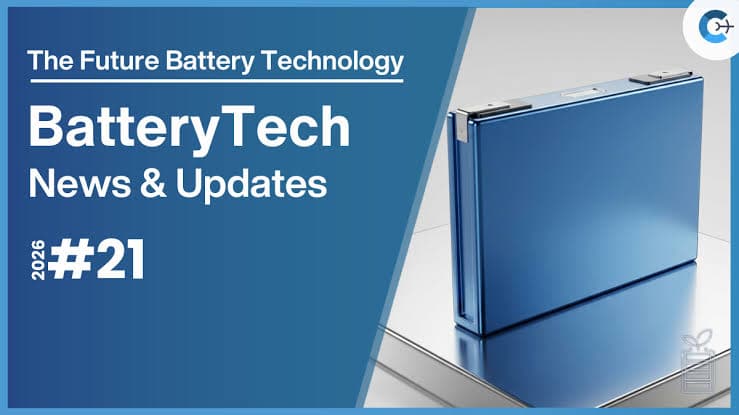
Discover the future of battery technology in 2026. Explore next-generation batteries, including solid-state, sodium-ion, graphene, and lithium-sulfur technologies, along with their applications, benefits, challenges, and future industry trends.
Introduction
Battery technology is evolving faster than ever, driving innovations in electric vehicles (EVs), renewable energy storage, consumer electronics, aerospace, and smart devices. As the world shifts toward cleaner energy and sustainable transportation, next-generation batteries are becoming essential for reducing carbon emissions and improving energy efficiency.
In 2026, researchers and manufacturers are investing billions of dollars in developing batteries that charge faster, last longer, offer higher energy density, and are safer than traditional lithium-ion batteries. Technologies such as solid-state batteries, sodium-ion batteries, lithium-sulfur batteries, and graphene-based batteries are expected to play a major role in the future of energy storage.
This comprehensive guide explores Future Battery Technology, the latest innovations, real-world applications, challenges, and how advanced batteries will transform industries worldwide.
Why Battery Technology Matters
Modern batteries are essential for powering many aspects of daily life.
They are used in:
- Electric Vehicles (EVs)
- Smartphones
- Laptops
- Renewable Energy Storage
- Smart Homes
- Medical Devices
- Aerospace Systems
- Industrial Equipment
Better batteries improve efficiency, reduce environmental impact, and support the global transition to clean energy.
Current Battery Technology
Today, most devices use Lithium-Ion (Li-ion) batteries.
Advantages
- High energy density
- Lightweight
- Rechargeable
- Long lifespan
- Widely available
Limitations
- Charging time
- Limited lifespan after repeated charging cycles
- Dependence on lithium and other critical minerals
- Performance degradation over time
- Fire risk under certain conditions
These limitations are driving research into more advanced battery technologies.
1. Solid-State Batteries
Solid-state batteries are considered one of the most promising next-generation battery technologies.
How They Work
Unlike conventional lithium-ion batteries that use liquid electrolytes, solid-state batteries use solid materials to transfer energy.
Benefits
- Faster charging
- Longer battery life
- Higher energy density
- Improved safety
- Lower fire risk
- Better performance in extreme temperatures
Applications
- Electric vehicles
- Smartphones
- Consumer electronics
- Aerospace
- Medical equipment
Many automotive manufacturers are actively developing solid-state battery technology.
2. Sodium-Ion Batteries
Sodium-ion batteries are gaining attention as an alternative to lithium-ion batteries.
Advantages
- Lower production costs
- Sodium is more abundant than lithium
- Reduced dependence on rare materials
- Good performance for energy storage
Best Uses
- Grid energy storage
- Home battery systems
- Electric scooters
- Affordable electric vehicles
Although they generally have lower energy density than lithium-ion batteries, sodium-ion technology is improving rapidly.
3. Lithium-Sulfur Batteries
Lithium-sulfur batteries have the potential to store significantly more energy than traditional lithium-ion batteries.
Benefits
- Higher energy density
- Lightweight
- Lower material costs
- Better sustainability potential
Future Applications
- Electric aircraft
- Drones
- Long-range electric vehicles
- Space exploration
Researchers continue working to improve their lifespan and durability.
4. Graphene Batteries
Graphene is a lightweight material with excellent electrical conductivity.
Advantages
- Ultra-fast charging
- Longer lifespan
- Better heat management
- Higher efficiency
- Improved durability
Potential applications include:
- Smartphones
- Wearable devices
- Electric vehicles
- Consumer electronics
5. Silicon-Anode Batteries
Many companies are replacing traditional graphite anodes with silicon-based materials.
Benefits
- Higher energy capacity
- Faster charging
- Longer driving range for EVs
- Improved battery efficiency
Silicon-anode technology may become increasingly common in future electric vehicles.
6. Flow Batteries
Flow batteries are designed primarily for large-scale energy storage.
Advantages
- Long operational life
- Easy scalability
- Reliable performance
- Suitable for renewable energy storage
Common Uses
- Solar farms
- Wind farms
- Utility power grids
Flow batteries are less suitable for portable electronics due to their size.
Future Applications of Battery Technology
Advanced batteries will support many industries.
Transportation
- Electric Cars
- Electric Buses
- Electric Trucks
- Electric Ships
- Electric Aircraft
Renewable Energy
- Solar Energy Storage
- Wind Energy Storage
- Smart Electricity Grids
Consumer Electronics
- Smartphones
- Tablets
- Laptops
- Smartwatches
Healthcare
- Medical Devices
- Portable Diagnostic Equipment
- Emergency Power Systems
Aerospace
- Satellites
- Space Exploration
- Aviation
Benefits of Future Battery Technology
New battery technologies could offer several important advantages.
These include:
- Faster charging
- Longer lifespan
- Greater energy storage
- Improved safety
- Lower environmental impact
- Reduced charging costs
- Better renewable energy integration
- Increased driving range for EVs
These improvements could accelerate the adoption of electric transportation and clean energy worldwide.
Expert Insight
Expert Insight: Future battery technology is about more than improving smartphones or electric vehicles. Advances in solid-state batteries, sodium-ion chemistry, and long-duration energy storage could reshape entire industries by making renewable energy more reliable, reducing dependence on scarce raw materials, and enabling safer, higher-capacity energy systems. As research continues, battery innovation is expected to become a key driver of the global clean energy transition and next-generation transportation.
Comparison of Future Battery Technologies
The table below compares some of the most promising battery technologies expected to shape the future.
| Battery Technology | Main Advantages | Best Applications | Current Development Stage |
|---|---|---|---|
| Lithium-Ion | Proven, reliable, high energy density | Smartphones, EVs, laptops | Commercial |
| Solid-State | Safer, faster charging, higher capacity | EVs, aerospace, electronics | Near Commercialization |
| Sodium-Ion | Lower cost, abundant materials | Grid storage, affordable EVs | Early Commercial |
| Lithium-Sulfur | Very high energy density, lightweight | Aviation, drones, EVs | Research & Pilot |
| Graphene | Ultra-fast charging, long lifespan | Consumer electronics, EVs | Research & Limited Commercial |
| Silicon-Anode | Higher energy storage, improved charging | Electric vehicles | Commercial Expansion |
| Flow Batteries | Long-duration storage, scalable | Renewable energy grids | Commercial |
Industries That Will Benefit the Most
Future battery technology will transform multiple industries.
Electric Vehicles (EVs)
Improved batteries will offer:
- Longer driving ranges
- Faster charging times
- Lower maintenance costs
- Better safety
- Lower battery weight
This could encourage wider adoption of electric transportation.
Renewable Energy
Battery storage is essential for storing electricity generated by:
- Solar panels
- Wind turbines
- Hydroelectric systems
Advanced batteries can improve energy reliability by storing excess power for use when renewable generation is lower.
Consumer Electronics
Future batteries may improve:
- Smartphone battery life
- Laptop performance
- Smartwatch endurance
- Wireless earbuds
- Tablets
Users could benefit from longer usage between charges and faster charging speeds.
Aviation
Electric aviation is expected to depend on lighter and more efficient batteries.
Potential applications include:
- Electric aircraft
- Passenger drones
- Urban air mobility
- Hybrid aviation systems
Healthcare
Battery innovations can improve:
- Portable medical devices
- Emergency backup systems
- Medical monitoring equipment
- Wearable health technology
Reliable batteries are essential for many critical healthcare applications.
Challenges Facing Future Battery Technology
Despite rapid progress, several challenges remain.
High Manufacturing Costs
Some next-generation batteries are currently expensive to produce at scale.
Limited Raw Materials
Demand for lithium, nickel, cobalt, and other critical minerals continues to grow.
Researchers are exploring alternative materials to reduce supply risks.
Recycling
Battery recycling remains an important challenge.
Future improvements aim to:
- Recover valuable materials
- Reduce waste
- Lower environmental impact
Charging Infrastructure
As electric vehicles become more common, countries will need to expand:
- Fast charging stations
- Grid capacity
- Smart charging networks
Large-Scale Production
Many advanced battery technologies are still transitioning from laboratory research to mass production.
Scaling manufacturing while maintaining quality and affordability remains a significant challenge.
Future Trends in Battery Technology
Experts expect several trends to shape the battery industry over the next decade.
Faster Charging
Future batteries may reduce charging times from hours to minutes for many applications.
Longer Lifespan
New battery chemistries aim to support thousands of charge cycles before significant performance loss.
Higher Energy Density
More energy stored in smaller, lighter batteries will improve the performance of vehicles and portable devices.
Improved Sustainability
Manufacturers are focusing on:
- Cleaner production methods
- Better recycling systems
- Reduced reliance on scarce materials
- Lower carbon emissions
Artificial Intelligence in Battery Management
AI is increasingly used to:
- Monitor battery health
- Optimize charging
- Predict maintenance needs
- Improve energy efficiency
Smart battery management systems can extend battery life and improve safety.
Career Opportunities in Battery Technology
As investment in clean energy grows, demand for skilled professionals is expected to increase.
Popular careers include:
Engineering
- Battery Engineer
- Electrical Engineer
- Materials Engineer
- Chemical Engineer
Research
- Battery Scientist
- Energy Storage Researcher
- Nanotechnology Specialist
Manufacturing
- Production Engineer
- Quality Control Specialist
- Process Engineer
Renewable Energy
- Energy Storage Consultant
- Grid Integration Engineer
- Sustainability Manager
Technology
- AI Engineer
- Data Scientist
- Embedded Systems Engineer
- Software Developer for Battery Management Systems
Why Battery Innovation Matters
Battery technology plays a central role in the global transition to cleaner energy.
Its development supports:
- Electric transportation
- Renewable electricity storage
- Energy security
- Lower greenhouse gas emissions
- Reduced dependence on fossil fuels
- Technological innovation
- Sustainable economic growth
Continued investment in battery research is expected to benefit both developed and developing economies.
Expert Insight
Expert Insight: Future battery technology will influence far more than consumer electronics. Breakthroughs in solid-state batteries, silicon-anode materials, sodium-ion chemistry, and advanced energy storage systems have the potential to reshape transportation, renewable energy, healthcare, and manufacturing. As production scales and costs decline, battery innovation is expected to become one of the key technologies supporting global decarbonization and long-term economic growth.
Frequently Asked Questions (FAQs)
What is the future of battery technology?
The future focuses on batteries that charge faster, last longer, store more energy, improve safety, and reduce environmental impact through new materials and manufacturing methods.
Will solid-state batteries replace lithium-ion batteries?
Solid-state batteries are considered a promising technology, particularly for electric vehicles and consumer electronics. However, lithium-ion batteries are expected to remain widely used for many years as manufacturing capacity and costs evolve.
Which battery technology is best for electric vehicles?
Several technologies are under development, including solid-state, silicon-anode, and lithium-ion improvements. The most suitable option depends on factors such as cost, safety, charging speed, and energy density.
Why are sodium-ion batteries important?
Sodium-ion batteries use more abundant materials than lithium, potentially reducing costs and improving supply chain resilience for energy storage and some transportation applications.
Which industries will benefit most from advanced batteries?
Electric vehicles, renewable energy, aerospace, healthcare, consumer electronics, and smart grid infrastructure are among the sectors expected to benefit the most.
Will battery technology continue improving after 2026?
Most researchers and industry analysts expect continued advancements in battery chemistry, manufacturing, recycling, charging speed, and energy storage over the coming decade.
Final Thoughts
Battery technology is at the center of the global shift toward cleaner energy and smarter transportation. Innovations such as solid-state batteries, sodium-ion batteries, lithium-sulfur technology, graphene materials, and advanced battery management systems are expected to improve energy storage, reduce charging times, and increase efficiency across many industries.
As governments and private companies continue investing in research and development, future batteries are likely to become safer, more affordable, and more sustainable. These advances will support the growth of electric vehicles, renewable energy, smart devices, and emerging technologies while creating new career opportunities for engineers, researchers, and technology professionals.
Sources & References
This guide is based on publicly available information from:
- International Energy Agency (IEA)
- International Renewable Energy Agency (IRENA)
- U.S. Department of Energy (DOE)
- National Renewable Energy Laboratory (NREL)
- World Economic Forum (WEF)
- Nature Energy
- International Battery Association (IBA)
Disclaimer: Battery technologies are developing rapidly. Commercial availability, performance, costs, and adoption timelines may change as research progresses and new products enter the market.
Reader discussion
Join the conversation
Share your thoughts on this article. Comments are stored in MongoDB and appear instantly below.