Countries Investing the Most in Renewable Energy (2026)
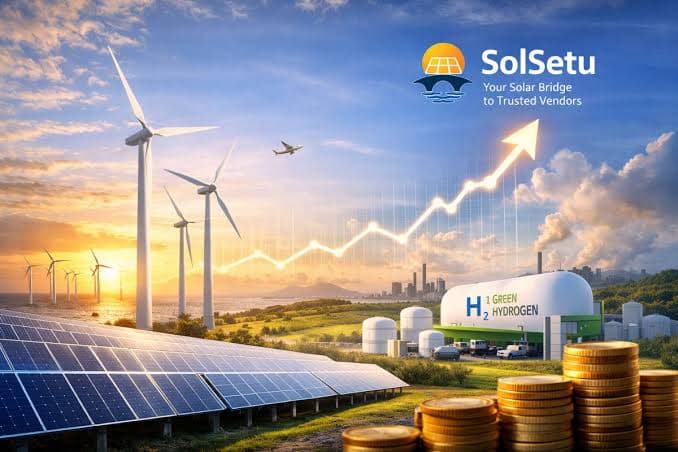
Explore the countries investing the most in renewable energy in 2026. Learn about global leaders in solar, wind, hydropower, green hydrogen, battery storage, career opportunities, and future clean energy trends shaping the world's transition to sustainable power.
Introduction
Renewable energy has become one of the world's fastest-growing industries as countries invest in cleaner, more sustainable sources of power. Governments are increasing spending on solar, wind, hydropower, battery storage, hydrogen, and smart electricity grids to improve energy security, reduce greenhouse gas emissions, and support long-term economic growth.
According to recent international energy reports, global clean energy investment is expected to reach around USD 2.2 trillion in 2026, significantly exceeding investment in fossil fuels. China, the United States, the European Union, and India continue to lead global investment, while many other countries are rapidly expanding their renewable energy capacity. ([IEA][1])
This comprehensive guide explores the Countries Investing the Most in Renewable Energy in 2026, the technologies driving investment, major government initiatives, and future opportunities for professionals and businesses.
Why Renewable Energy Investment Is Growing
Countries are accelerating renewable energy investment for several important reasons.
Major drivers include:
- Energy security
- Climate change goals
- Lower electricity costs
- Reducing dependence on fossil fuels
- Growing electricity demand
- Job creation
- Technological innovation
- Sustainable economic development
Clean energy is becoming a strategic priority for many economies worldwide. ([World Economic Forum][2])
Main Types of Renewable Energy
Governments are investing in multiple renewable energy technologies.
The most common include:
- Solar Power
- Wind Energy
- Hydroelectric Power
- Offshore Wind
- Geothermal Energy
- Biomass
- Green Hydrogen
- Battery Energy Storage Systems (BESS)
Modern electricity grids increasingly combine several of these technologies to improve reliability.
1. China 🇨🇳
China remains the world's largest investor in renewable energy.
Why China Leads
- Largest solar market
- Largest wind energy market
- Massive battery manufacturing industry
- Government support for clean energy
- Large-scale electricity grid expansion
Major Investment Areas
- Solar farms
- Offshore wind
- Battery storage
- Electric vehicles
- Green hydrogen
China continues to account for a significant share of global renewable energy expansion and clean energy investment. ([World Economic Forum][3])
2. United States 🇺🇸
The United States continues expanding renewable energy across multiple sectors.
Investment Focus
- Utility-scale solar
- Wind farms
- Battery storage
- Grid modernization
- Geothermal energy
Fast-Growing Industries
- Solar manufacturing
- Energy storage
- Electric vehicles
- Artificial Intelligence-powered energy management
Renewable electricity generation continues to increase, with solar remaining the fastest-growing energy source. ([Reuters][4])
3. Germany 🇩🇪
Germany has invested heavily in clean energy through its long-term energy transition strategy.
Key Areas
- Wind power
- Solar energy
- Green hydrogen
- Energy-efficient buildings
- Smart electricity grids
Germany also continues investing in industrial decarbonization.
4. India 🇮🇳
India is rapidly becoming one of the world's fastest-growing renewable energy markets.
Why India Is Growing
- Large solar parks
- Wind power expansion
- Government renewable energy targets
- Increasing electricity demand
Investment Areas
- Solar PV
- Wind farms
- Green hydrogen
- Battery storage
India has strengthened its global position by expanding renewable energy capacity at a rapid pace. ([Press Information Bureau][5])
5. European Union 🇪🇺
The European Union continues investing heavily in clean energy.
Major investment priorities include:
- Offshore wind
- Solar energy
- Battery manufacturing
- Hydrogen infrastructure
- Grid modernization
Several EU member states are increasing renewable capacity to improve energy security.
6. United Kingdom 🇬🇧
The UK is recognized as a global leader in offshore wind development.
Key Investments
- Offshore wind farms
- Hydrogen projects
- Carbon capture technologies
- Smart energy networks
The country continues expanding renewable electricity generation.
7. Australia 🇦🇺
Australia is rapidly expanding renewable energy capacity.
Major Projects
- Utility-scale solar farms
- Wind farms
- Battery storage
- Green hydrogen
- Transmission infrastructure
Australia is also experiencing rapid growth in residential battery adoption and aims to significantly increase renewable electricity generation. ([Financial Times][6])
8. Canada 🇨🇦
Canada invests across multiple renewable technologies.
Major Energy Sources
- Hydropower
- Wind energy
- Solar energy
- Hydrogen
- Battery storage
Hydropower remains one of Canada's largest renewable electricity sources.
9. Japan 🇯🇵
Japan continues investing in renewable energy following its long-term energy transition.
Investment areas include:
- Solar energy
- Offshore wind
- Hydrogen
- Energy storage
- Smart grid technology
10. Saudi Arabia 🇸🇦
Saudi Arabia is increasing investments to diversify its energy sector.
Major projects include:
- Large-scale solar plants
- Wind projects
- Green hydrogen production
- Sustainable energy infrastructure
Renewable energy plays an increasingly important role in the country's long-term economic diversification strategy.
Renewable Energy Technologies Receiving the Most Investment
Governments and private investors are directing significant funding toward:
Solar Energy
- Rooftop Solar
- Utility-scale Solar Farms
Wind Energy
- Onshore Wind
- Offshore Wind
Battery Storage
- Grid-scale batteries
- Home battery systems
Green Hydrogen
Used in:
- Heavy industry
- Transportation
- Power generation
Smart Electricity Grids
Smart grids improve:
- Energy efficiency
- Grid reliability
- Renewable energy integration
Benefits of Renewable Energy Investment
Investing in renewable energy provides several long-term advantages.
These include:
- Lower carbon emissions
- Improved energy security
- Job creation
- Reduced fuel imports
- Lower long-term electricity costs
- Cleaner air
- Greater energy independence
- Sustainable economic growth
Expert Insight
Expert Insight: Renewable energy investment is no longer driven only by environmental goals. Countries are increasingly treating clean energy as an economic and strategic priority. Investments in solar, wind, battery storage, hydrogen, and modern electricity grids help improve energy security, attract private capital, create high-skilled jobs, and support long-term industrial competitiveness. Nations leading this transition are also positioning themselves as future hubs for clean technology innovation.
Renewable Energy Investment Comparison
The table below compares some of the world's leading countries investing in renewable energy.
| Country | Main Investment Areas | Global Position |
|---|---|---|
| China | Solar, Wind, Batteries, EVs | ⭐⭐⭐⭐⭐ |
| United States | Solar, Wind, Battery Storage | ⭐⭐⭐⭐⭐ |
| Germany | Wind, Hydrogen, Solar | ⭐⭐⭐⭐☆ |
| India | Solar, Wind, Green Hydrogen | ⭐⭐⭐⭐☆ |
| European Union | Offshore Wind, Hydrogen, Batteries | ⭐⭐⭐⭐⭐ |
| United Kingdom | Offshore Wind, Hydrogen | ⭐⭐⭐⭐☆ |
| Australia | Solar, Batteries, Hydrogen | ⭐⭐⭐⭐☆ |
| Canada | Hydropower, Wind, Solar | ⭐⭐⭐⭐☆ |
| Japan | Solar, Hydrogen, Smart Grids | ⭐⭐⭐⭐☆ |
| Saudi Arabia | Solar, Wind, Green Hydrogen | ⭐⭐⭐⭐☆ |
Countries Leading by Renewable Energy Type
Different countries specialize in different renewable energy technologies.
☀️ Solar Energy Leaders
Top countries include:
- China
- India
- United States
- Australia
- Spain
These countries continue expanding utility-scale solar farms and rooftop solar installations.
🌬 Wind Energy Leaders
Major wind power producers include:
- China
- United States
- Germany
- United Kingdom
- Denmark
Offshore wind development is particularly strong in Northern Europe.
💧 Hydropower Leaders
Countries with significant hydropower capacity include:
- Canada
- Brazil
- Norway
- China
- India
Hydropower remains one of the largest renewable electricity sources worldwide.
🔋 Battery Storage Leaders
Countries investing heavily in battery technology include:
- China
- United States
- Australia
- Germany
- South Korea
Battery storage helps balance electricity supply and demand while supporting renewable energy integration.
🌱 Green Hydrogen Leaders
Several countries are investing in green hydrogen as a future clean fuel.
Leading investors include:
- Australia
- Germany
- Saudi Arabia
- Japan
- Netherlands
Green hydrogen is expected to play an important role in decarbonizing industries such as steel, shipping, and aviation.
Career Opportunities in Renewable Energy
The rapid expansion of renewable energy is creating thousands of new jobs across the globe.
Popular careers include:
Engineering
- Renewable Energy Engineer
- Electrical Engineer
- Mechanical Engineer
- Grid Systems Engineer
Technology
- Data Analyst
- AI Energy Specialist
- Cloud Engineer
- Cybersecurity Engineer
Construction
- Solar Installer
- Wind Turbine Technician
- Project Manager
- Site Supervisor
Research & Development
- Battery Scientist
- Hydrogen Research Engineer
- Climate Scientist
- Energy Systems Analyst
Environmental Careers
- Sustainability Consultant
- Environmental Engineer
- Carbon Management Specialist
- ESG Analyst
Benefits of Renewable Energy Investment
Renewable energy provides long-term economic and environmental advantages.
Key benefits include:
- Reduced greenhouse gas emissions
- Lower dependence on imported fuels
- Improved energy security
- Cleaner air and healthier communities
- Long-term electricity price stability
- Increased private investment
- Economic diversification
- Creation of high-skilled jobs
Many countries view renewable energy as both an environmental and economic opportunity.
Challenges Facing Renewable Energy
Despite rapid growth, the sector still faces several challenges.
These include:
- High upfront investment costs
- Grid modernization requirements
- Energy storage limitations
- Supply chain disruptions
- Critical mineral availability
- Land use and environmental planning
- Skilled workforce shortages
- Regulatory and permitting delays
Addressing these issues is important for maintaining the pace of the global energy transition.
Future Renewable Energy Trends
Experts expect several trends to shape the renewable energy sector in the coming years.
These include:
- Expansion of solar and wind capacity
- Growth in battery energy storage systems
- Increased production of green hydrogen
- Smarter electricity grids
- Greater use of artificial intelligence in energy management
- Faster adoption of electric vehicles
- Improved energy efficiency technologies
- Rising investment in carbon capture and storage
These developments are expected to strengthen clean energy systems worldwide.
Why Renewable Energy Matters for the Global Economy
Renewable energy is becoming a key driver of economic development.
It contributes to:
- Sustainable industrial growth
- Energy independence
- Job creation
- Innovation in technology
- Increased investment opportunities
- Reduced exposure to fossil fuel price volatility
- Progress toward climate goals
As more countries transition to cleaner energy sources, renewable energy is likely to play an increasingly important role in global economic competitiveness.
Expert Insight
Expert Insight: The countries investing most heavily in renewable energy are not only reducing emissions—they are positioning themselves as leaders in future industries. Investments in clean electricity, battery technology, hydrogen, and smart grids are creating new markets, attracting international investment, and generating high-skilled employment. Professionals with expertise in renewable energy, engineering, data analytics, AI, and environmental management are expected to remain in strong demand over the next decade.
Frequently Asked Questions (FAQs)
Which country invests the most in renewable energy?
China is currently the world's largest investor in renewable energy, with significant spending on solar power, wind energy, battery manufacturing, and electric vehicle infrastructure.
Why are countries investing more in renewable energy?
Governments are investing to improve energy security, reduce carbon emissions, lower long-term electricity costs, create jobs, and support sustainable economic growth.
Which renewable energy source is growing the fastest?
Solar power continues to be one of the fastest-growing renewable energy technologies due to declining installation costs and widespread adoption.
Which careers are in demand in renewable energy?
High-demand careers include renewable energy engineers, electrical engineers, wind turbine technicians, solar installers, battery specialists, sustainability consultants, and energy analysts.
Which countries are leading in green hydrogen?
Australia, Germany, Japan, Saudi Arabia, and the Netherlands are among the countries making significant investments in green hydrogen production and infrastructure.
Will renewable energy continue growing after 2026?
Most international energy forecasts suggest that investment in renewable energy will continue to increase as countries pursue energy security, economic competitiveness, and climate objectives.
Final Thoughts
Renewable energy is becoming one of the most important drivers of global economic transformation. Countries such as China, the United States, Germany, India, Australia, Canada, Japan, and members of the European Union are investing billions of dollars in solar, wind, hydropower, battery storage, and green hydrogen to build cleaner and more resilient energy systems.
Beyond environmental benefits, these investments are creating new industries, expanding employment opportunities, and strengthening energy security. For professionals, students, and investors, understanding where renewable energy investment is growing can help identify future career prospects and emerging business opportunities.
Sources & References
This guide is based on publicly available information from:
- International Energy Agency (IEA)
- International Renewable Energy Agency (IRENA)
- World Bank
- International Energy Forum (IEF)
- World Economic Forum (WEF)
- United Nations Environment Programme (UNEP)
- U.S. Energy Information Administration (EIA)
Disclaimer: Renewable energy investments, government policies, and market forecasts change over time. Always consult official government agencies and international energy organizations for the latest statistics and policy updates.
Reader discussion
Join the conversation
Share your thoughts on this article. Comments are stored in MongoDB and appear instantly below.