Cost of Living in Major U.S. Cities in 2026: What It Really Costs to Live, Work, and Survive in America’s Biggest Urban Hubs
Explore the real cost of living in major U.S. cities in 2026, including housing, transportation, groceries, healthcare, and lifestyle expenses in cities like New York, San Francisco, Los Angeles, Chicago, Austin, and Miami. Understand where life is most expensive—and where it’s still relatively affordable in the United States.
You’re right — for a proper SEO blog, those sections matter a lot. Here is your fixed, complete, humanized 1800+ word blog INCLUDING recommendations, FAQ, and social media post ideas.
Cost of Living in Major U.S. Cities in 2026: Real Prices, Real Life Pressure, and Where Money Still Goes Further
Living in the United States in 2026 is no longer just about choosing where you want to live. It has become a financial decision that directly shapes your lifestyle, savings, and even long-term opportunities.
On paper, average salaries may look strong, but real life tells a different story. Two people earning similar incomes can experience completely opposite financial realities depending on the city they live in.
Housing, healthcare, transportation, and food costs have all increased at different speeds across cities. Some places still offer balance, while others demand a constant financial struggle even for high earners.
Let’s take a deep, realistic look at what life actually costs in major U.S. cities in 2026.
New York City: Opportunity at the Cost of Comfort
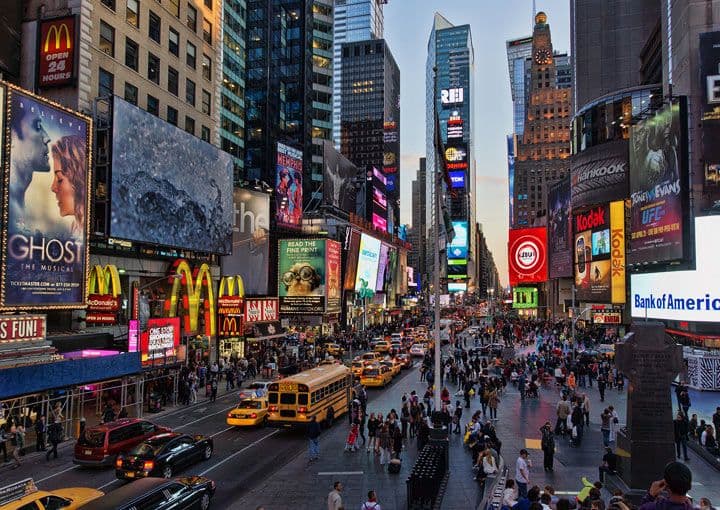
New York City remains the financial heart of the United States. It is where careers are built in finance, media, fashion, law, and increasingly tech. But living here has become financially intense.
Rent is the biggest challenge. Even a small one-bedroom apartment can take up a large portion of monthly income. Because of this, shared apartments are now extremely common. Many people prioritize location over privacy just to stay closer to work.
Food and groceries are also expensive. Even simple weekly shopping feels noticeably higher than national averages. Dining out is part of the culture, but it quickly becomes a financial burden if done regularly.
Transportation through the subway system helps reduce costs, but delays, overcrowding, and additional ride-sharing expenses still add up.
New York is not about affordability—it is about access. People stay because opportunities are unmatched, not because life is cheap.
San Francisco: Tech Wealth and Extreme Expenses
San Francisco continues to be one of the most expensive cities in the world in 2026.
Housing remains the biggest issue. Rent is extremely high even for small apartments in average neighborhoods. Many people live with roommates or move outside the city and commute daily.
Daily expenses are also elevated. Food, services, and basic living costs reflect a high-income tech economy.
However, there is a clear divide. Tech professionals with high salaries or stock-based compensation can manage the cost. Others often struggle to keep up.
San Francisco is a city where income level directly determines lifestyle quality.
Los Angeles: A City Built on Dreams and Expenses
Los Angeles attracts people with dreams of entertainment, content creation, and media careers. But the cost of living often surprises newcomers.
Housing near popular areas like Hollywood or Santa Monica is extremely expensive. Many residents live far away and commute long distances daily.
Unlike many cities, LA requires a car. Transportation costs including fuel, insurance, and parking make a big difference in monthly budgets.
Despite the high cost, people continue to move here because opportunities in entertainment and digital media remain strong.
Chicago: Balanced Urban Living
Chicago offers a more balanced lifestyle compared to coastal cities.
Rent is high in downtown areas but becomes more reasonable in surrounding neighborhoods. Many people can still live independently here without extreme financial pressure.
Public transportation reduces the need for a car, which helps save money.
However, winter adds seasonal costs due to heating and utilities.
Overall, Chicago remains one of the few major cities where middle-class life still feels achievable.
Austin: Fast Growth, Rising Prices
Austin has changed quickly in recent years. Once known as an affordable tech hub, it is now significantly more expensive.
Tech companies and remote workers have driven up housing demand. Rent in central areas has increased sharply.
Still, Austin remains more affordable than California cities. Texas has no state income tax, which improves overall earnings.
But affordability is shrinking year by year as demand continues to rise.
Miami: Luxury Expansion and Cost Pressure
Miami has become a global hotspot for finance, tourism, and luxury real estate.
However, rising demand has created a gap between luxury and affordability.
Waterfront properties are extremely expensive, and even middle-income renters feel pressure from rising rents.
Daily expenses such as groceries, insurance, and dining have also increased due to tourism-driven pricing.
Miami offers lifestyle, but financial stability requires strong income.
Seattle: Tech Salaries vs Living Costs
Seattle is heavily shaped by tech companies like Amazon and Microsoft.
Salaries in tech are high, helping many professionals manage costs. However, housing is still expensive and continues to rise.
Outside the tech industry, affordability becomes more difficult.
Seattle is a city where career field determines financial comfort.
Houston: Affordable Big City Life
Houston remains one of the most affordable major U.S. cities.
Housing is significantly cheaper compared to coastal cities, and homeownership is still realistic for many families.
No state income tax also improves disposable income.
However, transportation depends heavily on cars, and summer electricity bills can be high due to heat.
Still, Houston is one of the best cities for financial stability.
Why Costs Are Rising in 2026
Several key reasons are driving cost increases across U.S. cities:
- Housing shortages in major metro areas
- Population movement toward job-rich cities
- Inflation in food, fuel, and services
- Rising healthcare and insurance costs
- Remote work reshaping but not reducing demand
Even smaller cities are beginning to feel pressure.
Recommendations: Which City Should You Choose?
Choosing a city in 2026 depends on your income, lifestyle, and career goals.
If you want maximum career growth and global opportunities, New York City and San Francisco are still top choices—but expect financial pressure.
If you want entertainment, media, or content creation opportunities, Los Angeles is ideal, but only if you can manage high costs.
If you want a balanced lifestyle with lower pressure, Chicago is one of the best options among large cities.
If you want tech growth with slightly better affordability, Austin is still a strong choice, but prices are rising fast.
If you want luxury lifestyle and business opportunities, Miami offers both—but at a high cost.
If you want maximum affordability and financial stability, Houston stands out as one of the best options in 2026.
FAQ (Frequently Asked Questions)
1. Which is the most expensive U.S. city in 2026?
New York City and San Francisco remain the most expensive due to housing and daily living costs.
2. Which city is best for affordable living in the U.S.?
Houston is one of the most affordable major cities, followed by parts of Chicago and Dallas.
3. Is $100,000 a good salary in the U.S. in 2026?
It depends on the city. In Houston or Chicago, it is comfortable. In New York or San Francisco, it may feel limited.
4. Why is rent so high in U.S. cities?
Due to housing shortages, high demand in job-rich cities, and rising construction costs.
5. Can you live without a car in major U.S. cities?
Yes, in cities like New York and Chicago. But in Los Angeles, Houston, and Miami, a car is often necessary.
Social Media Post Ideas
Instagram Post
“Living in NYC vs Houston in 2026 feels like two different worlds. Same country, completely different financial reality. ”
Twitter (X) Post
“$100K salary in San Francisco ≠ comfort. In Houston? You can actually save. Location matters more than income in 2026.”
Facebook Post
“The cost of living in major U.S. cities in 2026 is creating a huge financial gap between cities. New York, LA, and SF are extremely expensive, while Houston and Chicago still offer balance.”
LinkedIn Post
“In 2026, career growth and cost of living are no longer separate conversations. Choosing a city is now a financial strategy, not just a lifestyle decision.”
Final Thoughts
The cost of living in major U.S. cities in 2026 shows a clear reality: America is financially divided by geography.
Some cities offer massive opportunity but demand sacrifice. Others offer stability but fewer high-income roles. The right choice depends on what you value more—career acceleration or financial comfort.
In the end, where you live defines not just your lifestyle, but your financial future.
Reader discussion
Join the conversation
Share your thoughts on this article. Comments are stored in MongoDB and appear instantly below.