Africa’s Critical Minerals: The Hidden Power Behind AI and Electric Vehicles in 2026
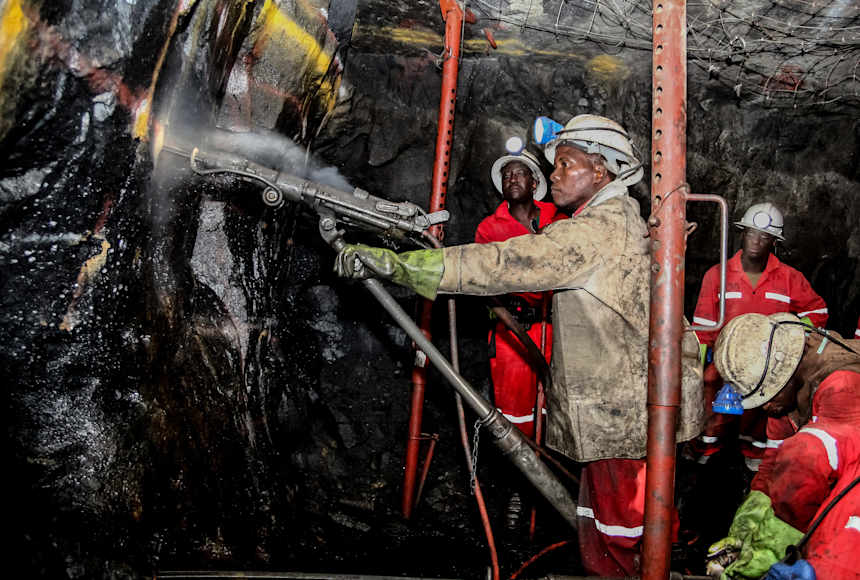
Africa is becoming the world’s most important source of critical minerals like cobalt, lithium, and copper, which power electric vehicles, AI systems, and renewable energy. This article explains production countries, global demand, and Africa’s rising strategic role in 2026.
Introduction: The Global Technology Race Begins Beneath Africa's Soil
When people think about artificial intelligence (AI), electric vehicles (EVs), smartphones, or renewable energy, they often imagine advanced factories, powerful computer chips, and innovative software. However, every one of these technologies depends on something much more fundamental: critical minerals.
Without cobalt, lithium, copper, and rare earth elements, modern batteries would struggle to function, AI data centers would require massive amounts of expensive infrastructure, and the global transition toward clean energy would slow dramatically.
In 2026, Africa has become one of the most strategically important regions in the world because it possesses enormous reserves of these essential resources. Governments, multinational corporations, and technology companies are investing billions of dollars to secure reliable mineral supplies, making Africa a central player in the future of global innovation.
This article explores Africa's critical minerals, the countries leading production, and why the world increasingly depends on the continent to power the AI and electric vehicle revolution.
Why Critical Minerals Matter in 2026
The global economy is rapidly shifting toward digital technologies and clean energy. Electric cars, renewable power systems, robotics, artificial intelligence, and advanced electronics all require specialized minerals that cannot easily be replaced.
For example:
Electric vehicle batteries require lithium and cobalt.
AI data centers depend on vast electrical infrastructure containing copper.
Wind turbines and advanced motors often rely on rare earth elements.
Smartphones, laptops, and modern electronics use multiple critical minerals throughout their components.
As governments commit to reducing carbon emissions and companies invest heavily in AI, demand for these materials continues to rise.
Because Africa holds significant reserves of many of these minerals, the continent has become increasingly important to the global economy.
Cobalt: The Battery Metal Driving Electric Vehicles
Among all critical minerals, cobalt has become one of the most discussed because of its importance in rechargeable batteries.
Lithium-ion batteries, which power millions of electric vehicles and electronic devices, often use cobalt to improve stability, safety, and performance.
Why Cobalt Is Important
Cobalt helps batteries:
Store energy efficiently
Last longer
Operate more safely
Deliver consistent performance
Without reliable cobalt supplies, battery production could become more expensive and slower to scale.
Which African Country Dominates Cobalt Production?
The Democratic Republic of the Congo (DRC) dominates global cobalt production, accounting for a large share of the world's supply.
Its mining industry supplies manufacturers that produce:
Electric vehicle batteries
Smartphones
Laptops
Energy storage systems
Because of this dominance, developments within the DRC can influence global supply chains and international markets.
Challenges Facing Cobalt Mining
Despite its importance, cobalt production faces challenges including:
Environmental concerns
Worker safety
Supply chain transparency
Infrastructure limitations
Many international companies are working to improve responsible sourcing practices while maintaining stable supplies.
Lithium: Fueling the Electric Vehicle Revolution
Lithium has become synonymous with the global transition toward electric transportation.
Every major automobile manufacturer is expanding EV production, creating unprecedented demand for lithium batteries.
Why Lithium Matters
Lithium enables batteries to be:
Lightweight
Rechargeable
Energy efficient
Suitable for long-distance electric vehicles
Without lithium, modern battery technology would face significant limitations.
Africa's Growing Lithium Industry
Several African countries are expanding lithium exploration and production.
Zimbabwe
Zimbabwe possesses some of Africa's most significant lithium resources and has attracted major international investment in mining projects.
The country aims to increase value by encouraging local processing rather than exporting only raw materials.
Namibia
Namibia is also developing lithium projects as global demand continues to rise.
Other Emerging Producers
Countries across Southern Africa continue exploring additional reserves that could strengthen Africa's position in the global battery supply chain.
Copper: The Metal Connecting the Digital Economy
Copper is sometimes overlooked compared to lithium or cobalt, but it remains essential for nearly every modern technology.
Electricity flows through copper wiring, making it indispensable for:
AI data centers
Electric vehicles
Renewable energy systems
Telecommunications
Construction
Manufacturing
Why AI Depends on Copper
Artificial intelligence requires enormous computing power.
Large AI data centers contain thousands of servers connected through extensive electrical systems, cooling infrastructure, and networking equipment—all of which rely heavily on copper.
As AI adoption expands worldwide, demand for copper is expected to increase significantly.
Leading African Copper Producers
Zambia
Zambia has long been recognized as one of Africa's leading copper producers.
Mining plays a major role in the country's economy and exports.
Democratic Republic of the Congo
The DRC is also a major copper producer, making it strategically important for both battery manufacturing and digital infrastructure.
Rare Earth Elements: Small Materials with Massive Importance
Rare earth elements consist of a group of minerals essential for many advanced technologies.
Despite their name, these elements are relatively abundant but often difficult and expensive to process economically.
Where Rare Earth Elements Are Used
They are critical for:
Electric motors
Wind turbines
Military technology
Smartphones
Medical equipment
Advanced electronics
As countries compete in high-tech manufacturing, securing reliable rare earth supplies has become a strategic priority.
Africa's Rare Earth Potential
Several African countries are developing rare earth mining projects, including:
South Africa
Tanzania
Malawi
Namibia
Although production remains smaller than in some other regions, investment continues to grow.
Which African Countries Dominate Critical Mineral Production?
Democratic Republic of the Congo
The DRC remains globally significant because of its dominance in cobalt production while also producing substantial quantities of copper.
Zambia
Zambia continues to serve as one of Africa's leading copper producers and seeks to expand investment in mining infrastructure.
Zimbabwe
Zimbabwe has emerged as one of the continent's most promising lithium producers, attracting international interest.
South Africa
South Africa possesses a diversified mining sector that includes rare earth projects and various strategic minerals.
Namibia
Namibia continues expanding exploration and production activities involving lithium and rare earth elements.
Why the World Depends on Africa
The world's transition toward clean energy and advanced technology depends heavily on reliable supplies of critical minerals.
Every major industry—including automotive, technology, renewable energy, and telecommunications—requires these resources.
Without stable production from Africa:
EV manufacturing could slow.
Battery prices could increase.
Renewable energy projects could become more expensive.
AI infrastructure expansion could face higher costs.
For this reason, governments and corporations worldwide are strengthening partnerships with African countries.
Economic Opportunities for Africa
The growing importance of critical minerals presents major opportunities.
Job Creation
Mining projects create employment in:
Engineering
Construction
Transportation
Processing
Research
Environmental management
Infrastructure Development
Large mining investments often encourage improvements in:
Roads
Railways
Ports
Energy systems
Digital connectivity
These benefits can extend beyond the mining sector into broader economic development.
Industrial Growth
Many African governments aim to move beyond exporting raw materials by encouraging local processing and manufacturing.
Producing battery components or refined minerals domestically could generate greater economic value and skilled employment.
Challenges That Must Be Addressed
Despite significant opportunities, several challenges remain.
These include:
Environmental protection
Sustainable mining practices
Community development
Infrastructure limitations
Regulatory stability
Responsible investment
Balancing economic growth with environmental and social responsibility will be essential for long-term success.
What the Future Could Look Like
Analysts expect demand for critical minerals to continue growing throughout the next decade.
The expansion of:
Electric vehicles
Artificial intelligence
Renewable energy
Robotics
Smart infrastructure
Advanced electronics
will likely increase global competition for these resources.
Africa therefore has an opportunity not only to supply minerals but also to become an important participant in higher-value manufacturing and technology supply chains.
Frequently Asked Questions (FAQ)
What are critical minerals?
Critical minerals are raw materials essential for modern technologies such as electric vehicles, batteries, artificial intelligence infrastructure, renewable energy systems, and electronics.
Which African country produces the most cobalt?
The Democratic Republic of the Congo is the world's leading producer of cobalt and plays a crucial role in global battery supply chains.
Why is lithium important?
Lithium is a key component of rechargeable batteries used in electric vehicles, smartphones, laptops, and energy storage systems.
Which African countries are important for copper production?
Zambia and the Democratic Republic of the Congo are among Africa's leading copper producers.
Why do AI technologies need these minerals?
AI data centers and advanced computing systems require large amounts of electrical infrastructure, networking equipment, and electronic components that depend on minerals such as copper and rare earth elements.
Conclusion: Africa's Resources Are Shaping the Future of Technology
The AI and electric vehicle revolution is often associated with cutting-edge software and advanced manufacturing, but its foundation lies in critical minerals extracted from the ground. Africa's vast reserves of cobalt, lithium, copper, and rare earth elements have made the continent an indispensable part of the global technology ecosystem.
As demand for clean energy and artificial intelligence continues to grow, Africa's strategic importance is likely to increase even further. The challenge for many countries will be converting mineral wealth into long-term economic development through responsible mining, infrastructure investment, and local value creation. If managed effectively, these hidden resources could help power not only the world's technological future
Reader discussion
Join the conversation
Share your thoughts on this article. Comments are stored in MongoDB and appear instantly below.